Understanding Women's Wellness Habits
What Most Women Expect From Their Diet Isn't Always What Gelatin Quietly Supports
Before assuming gelatin is just a dessert ingredient, it helps to understand what tradition and modern habits both got right — and where expectations diverge from what gelatin actually offers.
The Body Changes Quietly, Long Before the Scale Does
Many women notice shifts in hunger, energy, and body composition that don’t match what traditional diet advice prepared them for.
Satiety Cues Change With Age
Hunger and fullness signals don't stay constant throughout life, which can make familiar eating patterns feel less predictable over time.
Traditional Diet Advice Wasn't Built for This
Many popular diet frameworks were designed decades ago and rarely account for how satiety, digestion, and lean mass evolve differently for women.
Collagen Support Declines Gradually
The body's natural collagen production tends to slow with age, and gelatin is often discussed as one of the few food-based sources connected to this protein family.
Lean Mass Requires Different Attention
Maintaining lean body composition isn't just about calories — it also involves protein quality, consistency, and habits that support the body long-term.
Metabolism Myths That Deserve a Second Look
Some of the most common beliefs about female metabolism and weight don’t hold up well under closer, sober examination.
Metabolism only slows down because of age.
Metabolic rate is influenced by many factors — muscle mass, hormones, sleep, and daily habits all play a role, not age alone.
Cutting calories aggressively is the fastest way to change body composition.
Severe restriction can affect lean mass and energy, which is why gradual, sustainable habits are more commonly discussed in nutrition education.
All protein sources affect satiety the same way.
Protein types differ in amino acid profile and digestion speed, which is part of why gelatin is sometimes discussed separately from other protein sources.
A Habit-Based Approach, Explained Simply
Rather than promising outcomes, this method focuses on how consistent, small habits are typically built around gelatin as part of a broader routine.
Step 1 — Understand the Ingredient
Learn what gelatin is, where it comes from, and how it differs from collagen peptides or other supplements.
Step 2 — Introduce It Gradually
Small, consistent additions to daily routines are generally easier to sustain than sudden overhauls.
Step 3 — Track How the Body Responds
Paying attention to hunger, energy, and comfort over time helps build a routine that fits an individual’s own patterns.
A Tradition Older Than Modern Wellness Trends
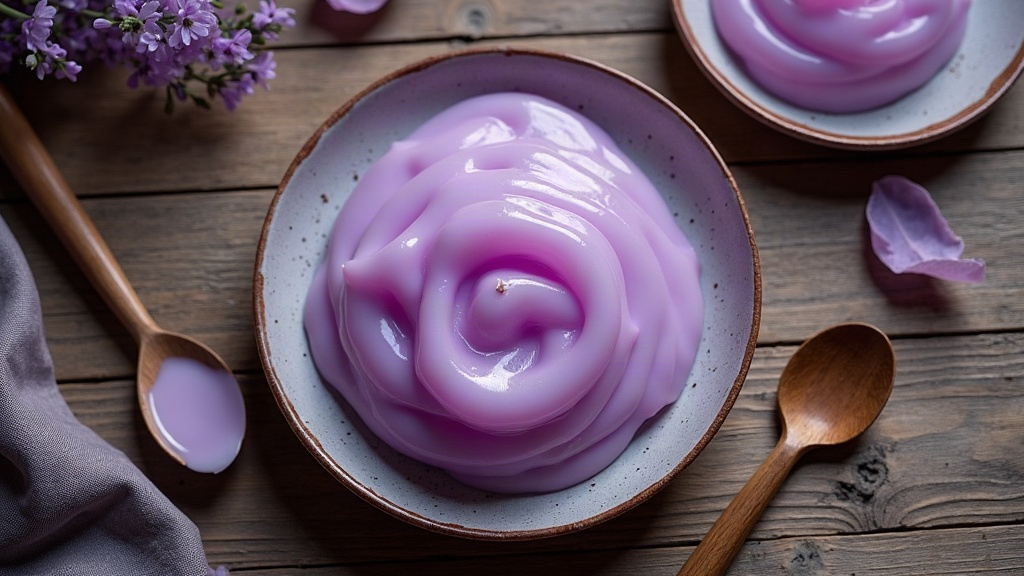
Long before gelatin appeared in wellness conversations, it was a staple of traditional kitchens — used in broths, aspics, and slow-cooked dishes passed down through generations. Gelatin is derived from collagen, the same structural protein found in skin, bones, and connective tissue, extracted through a natural cooking and setting process rather than synthetic manufacturing.
Insight: The same ingredient once valued for its texture in traditional cooking is now examined for its amino acid profile, which is why it resurfaces in modern conversations about protein and collagen.
Signals Worth Paying Attention To
Unexplained Energy Dips
Energy fluctuations throughout the day can have many causes, including diet composition and sleep quality.
Changes in Nail Strength
Nails that break or peel more easily are sometimes mentioned in discussions about protein and collagen intake.
Weight Fluctuating Without a Clear Pattern
Weight can shift for many reasons; noticing patterns without immediate explanation is common and worth discussing with a professional.
Joint Discomfort During Movement
Some women report noticing joint stiffness earlier in the day, which is often part of broader wellness conversations.
Skin Feeling Less Resilient
Skin elasticity is frequently referenced in collagen-related discussions, though individual experiences vary widely.
Persistent Hunger Between Meals
Feeling hungry shortly after eating may be worth noting when reviewing overall diet composition.
What Women Have Shared About Their Routine

Testimonials reflect individual experiences and opinions. They are not a guarantee of any specific outcome, and individual results may vary.
Frequently Asked Questions
Hydrolyzed gelatin is gelatin that has been broken down into smaller peptides, which some sources suggest may be easier to dissolve and incorporate into food or drink.
They are related but not identical. Both come from collagen, but they differ in processing method and how they dissolve or set.
No single ingredient replaces a balanced approach to nutrition. Gelatin is generally discussed as one part of a broader routine, not a standalone solution.
Gelatin has long been used in broths, gummies, aspics, and desserts due to its natural setting properties when combined with liquid and heat.
Gelatin is a well-studied food ingredient, though this content is educational and does not make specific health claims. Always consult a healthcare professional for personalized guidance.
Women curious about traditional ingredients, protein sources, or collagen-related topics may find the background information useful.
No. This content is educational only and is not intended to diagnose, treat, cure, or prevent any condition. Consult a healthcare professional for medical guidance.
Curious to See the Full Picture?
Explore the complete breakdown of how gelatin fits into a woman’s daily routine — explained clearly, without exaggerated claims.
Advertising Disclosure: This page contains sponsored content and affiliate links. We may receive compensation if you click on or make purchases through links on this page. This helps support the operation of this site.
Content Disclaimer: This content is for educational and informational purposes only. It has not been evaluated by the FDA and is not intended to diagnose, treat, cure, or prevent any disease. Always consult a qualified healthcare professional before making changes to your diet, supplement routine, or lifestyle.
Results Disclaimer: Individual results may vary. Testimonials and examples shared on this page reflect personal experiences and are not a guarantee of any specific outcome.
© 2026 All Rights Reserved. For questions, visit our Contact page.